Franchise vs. Sole Proprietorship: What Cleaning Business Owners Should Know

The choice is often described as franchising versus sole proprietorship, but the terms refer to different decisions. A sole proprietorship is a legal and tax structure. A franchise is a business model built around a licensing agreement and an established operating system.
A franchise owner may operate through an LLC, corporation, or another structure based on professional advice and program requirements. The more practical comparison is between building an independent cleaning business from the ground up and operating an independently owned business within a franchise system.
Both paths offer ownership. The difference is how much infrastructure, support, and operating freedom come with each one.
Building Independently: Greater Flexibility, More Systems to Create
An independent cleaning business gives the owner broad freedom to define:
- The brand
- Services and pricing
- Customer strategy
- Operating processes
That flexibility can be valuable for an experienced operator with a clear market position and the resources to build each part of the company.
The tradeoff is that the owner must create or source nearly everything:
- Customer acquisition
- Training and service standards
- Technology
- Vendor relationships
- Billing processes
- Quality controls
Growth may depend heavily on the owner’s time until those systems are documented and delegated
Operating Within a Franchise: More Structure, Defined Requirements
A franchise provides an established brand, operating model, training, standards, and ongoing support. This shortens the time required to develop foundational processes and can give the owner access to resources that would be difficult to assemble alone.
The tradeoff is that franchise owners agree to operate within defined brand and service requirements. They also pay the fees disclosed in the Franchise Disclosure Document. Owners should understand those commitments and evaluate whether the system fits the way they want to build and lead their business.
Key Differences to Evaluate
Customer Development
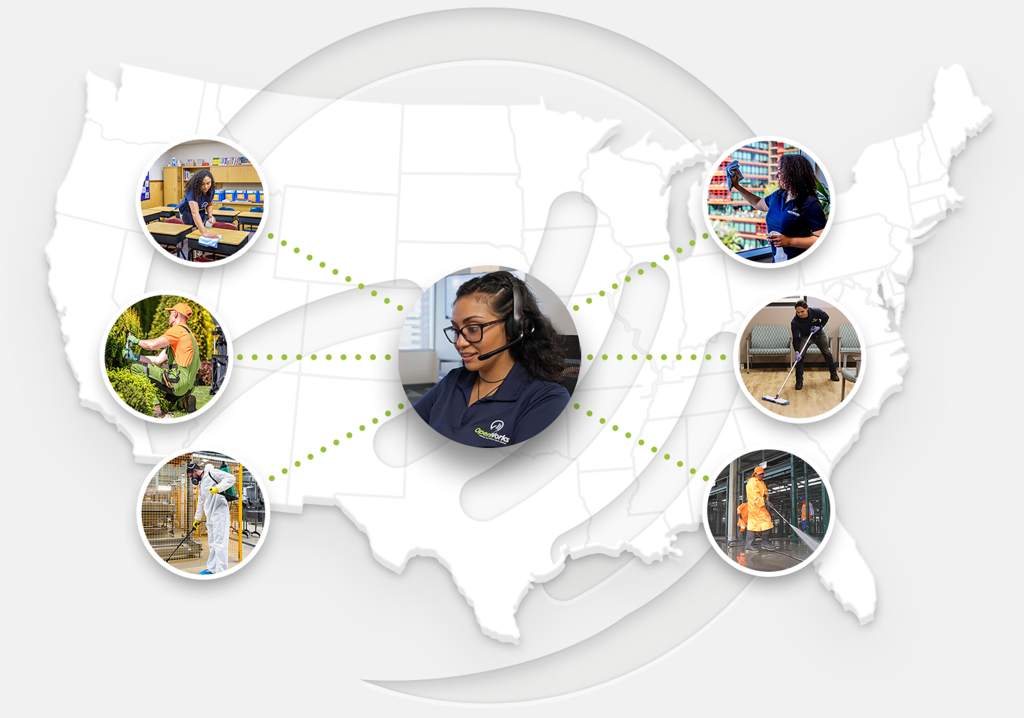
Independent owners are responsible for creating their own sales pipeline and winning every account. Franchise systems vary. OpenWorks has sales teams that secure commercial customer opportunities and match them with franchise owners based on availability, fit, program terms, and market conditions.
Training and Operating Systems
Independent owners design their own onboarding, safety, service quality, and management processes. OpenWorks franchise owners receive structured onboarding and continued education through Franchise University.
Brand and Market Position
An independent owner builds market recognition from the beginning. A franchise owner operates under an established brand while remaining responsible for the local service experience.
Technology and Quality Visibility
Independent owners choose and connect their own tools. OpenWorks provides digital systems that support service coordination, documented activity, customer feedback, and operational follow-up.
Business Resources
Independent owners identify and negotiate with vendors on their own. OpenWorks franchise owners gain access to a centralized resource library and vetted third-party vendor network.
Costs and Financial Responsibility
Both models require investment and carry risk. Independent owners fund their startup and operating costs directly. Franchise owners also pay fees and meet requirements described in the FDD. Neither model guarantees revenue, profit, customers, or a particular timeline for growth.
Which Model Better Fits Your Goals?
Building independently may fit owners who want maximum freedom, already have effective systems, and are prepared to develop customers and resources without franchise support.
A franchise may fit owners who value an established operating framework, structured training, customer opportunities, ongoing guidance, and access to a broader resource network. It can be especially relevant for existing commercial cleaning contractors who have service experience but need more infrastructure to scale.
Before choosing either path, consider how you want to spend your time, which systems you already have, how much operating structure you want, and what level of investment and risk is appropriate for your situation.
This article provides general information and is not legal, tax, or financial advice. Prospective franchise owners should review the OpenWorks Franchise Disclosure Document and consult qualified advisors before making a decision.
The FTC’s guide to buying a franchise explains how to evaluate franchise disclosures, fees, operating restrictions, and support before investing.
Want to compare your current cleaning business with the OpenWorks franchise model? Request more information to begin a conversation with our Provider Growth team.